

The Real Costs of Poor Communication
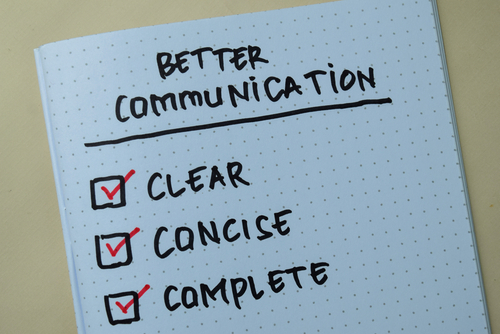
Over my last 5 years of consulting and coaching most of the breakdowns I’ve seen inside companies aren’t coming from bad strategy, weak products, or even the economy. They are stemming from one thing: poor communication frameworks.
We are now living in a world where texts, Zoom calls, and even AI have replaced face-to-face dialogue. While those tools have their place, they’ve also created a culture of avoidance. People hesitate to speak directly. They dodge hard conversations. They skim instead of listening. They respond with what they think others want to hear, instead of what needs to be said. In a business, that creates disengagement, confusion, and decline.
How Poor Communication Shows Up at Work
The warning signs are everywhere:
- Employees disengage instead of voicing concerns because they don’t feel heard or valued.
- Leaders avoid confrontation, mistaking it for conflict, which shuts down growth opportunities.
- Teams operate in the dark when objectives and expectations aren’t clearly stated.
- Feedback loops fail to exist, so no one knows what’s working and what’s broken.
If you can’t define what success looks like, you can’t measure it—and if you can’t measure it, you can’t manage it.
The Power of Feedback Loops
When I work with teams, one of the first things I implement is what I call feedback loops: consistent, structured conversations between leadership and front-line employees. These loops are simple but powerful.
- Strip out the personalities. This isn’t about who’s failing, it’s about identifying what’s broken.
- Start with what’s working. There’s always something to acknowledge before diving into issues.
- Stay direct. Clear, concise, and actionable feedback keeps the focus on progress.
These loops transform communication from a minefield into a growth tool. Once people see that difficult conversations are about solutions rather than blame, the fear fades and psychological safety is created. You cannot foster good communication in a company or business without psychological safety.
Why It Matters Everywhere
Strong communication isn’t just a business skill—it’s a life skill. If you can’t articulate what you want, what you need, or what isn’t working, you will struggle in every relationship—personal or professional. Growth happens when you’re willing to be uncomfortable, to name what isn’t working, and to ask for what you want.
The Bottom Line
Stop being afraid of communication. Stop sugarcoating your words to avoid discomfort. Companies crumble when people don’t speak up, but they thrive when communication is clear, honest, and consistent.
You will never get what you want if you don’t ask for it—and you’ll never fix what’s broken if you don’t speak up about it.

Be the first to leave a comment